Custom Peptide Synthesis Service
Fmoc SPPS · 5–150 aa · 100+ modifications · Crude to GMP-grade · 5–10 day standard turnaround
Overview
Peptides are essential tools in modern drug discovery, structural biology, immunology, and diagnostics. As research targets grow more complex — from intrinsically disordered proteins to intracellular protein–protein interactions — the demand for chemically precise, highly pure, and functionally modified peptides continues to grow.
ICDMO's peptide synthesis platform is built on Fmoc solid-phase peptide synthesis (SPPS) chemistry, enabling rapid, scalable production of sequences from 5 to 150 amino acids with outstanding sequence fidelity. Our portfolio extends well beyond standard linear peptides: we offer cyclic and stapled peptides for structural rigidity, post-translational modification mimics for epigenetic and signalling research, fluorescently labelled tracers for imaging and assay development, and GMP-grade clinical peptides for IND submissions.
Every peptide is characterised by analytical reverse-phase HPLC and ESI or MALDI mass spectrometry before delivery. A full Certificate of Analysis is included with each order.
Platform Highlights
5–150
Amino Acids
Routine synthesis up to 50 aa; specialist long-chain peptides up to 150 aa with fragment condensation
100+
Modification Types
Side-chain and backbone modifications including phosphorylation, methylation, fluorescent labels and stapling
>98%
Max Purity
HPLC-grade peptides verified by reverse-phase HPLC and ESI-MS with full CoA delivered with every order
5–10
Business Days
Standard turnaround for peptides up to 30 aa at ≥95% purity; expedited options available
Core Services
Supported Modifications
Chemical modification dramatically expands the functional repertoire of synthetic peptides — enabling cell entry, site-specific detection, stability enhancement, and faithful mimicry of post-translational events. ICDMO supports over 100 modification types across six major categories:
Post-translational Mimics
- Phospho-Ser/Thr/Tyr
- Acetyl-Lys (Kac)
- Methyl-Lys/Arg
- Succinyl-Lys
- Ubiquitin-tag (GlyGly-Lys)
Fluorescent Labels
- FITC / FAM
- TAMRA / ROX
- Cy3 / Cy5
- BODIPY series
- DANSYL
Affinity & Detection Tags
- Biotin (N/C-term or Lys)
- Streptavidin binding peptide
- His-tag peptides
- FLAG / HA tag
- Desthiobiotin
Half-life Extension
- PEGylation (2k–40k Da)
- Fatty acid (C16/C18) conjugation
- Albumin-binding moieties
- XTEN-mimetic sequences
- GLP-1/GIP analogue scaffolds
Backbone & Terminal
- N-terminal acetylation
- C-terminal amidation
- N-methylation
- β-amino acids
- D-amino acid substitution
Cell-Penetrating
- CPP fusion (Tat, penetratin)
- Lipidation
- Stearyl / myristoyl
- Cholesterol conjugation
- Arginine-rich arrays
Need a modification not listed? Contact our synthesis team — we regularly source novel Fmoc building blocks and can assess feasibility for bespoke projects.
Synthesis Workflow
All peptides are manufactured on a defined, quality-monitored production path from sequence submission through delivery of lyophilised product with full analytical data:
1
Sequence Design & Order
Submit sequence, desired length, purity grade, scale, and required modifications. Our team reviews for synthetic feasibility and flags difficult sequences (high aggregation propensity, repetitive motifs) before synthesis begins.
2
Resin Loading & SPPS
Fmoc solid-phase synthesis on optimised resins (Wang, Rink Amide, TCP, or 2-chlorotrityl). Coupling efficiency is monitored at each cycle; difficult couplings receive extended reaction time or pseudoproline dipeptide insertion.
3
Cleavage & Global Deprotection
Treatment with TFA cocktail releases the peptide from the resin and simultaneously removes all side-chain protecting groups. The crude mixture is precipitated in cold diethyl ether and collected by filtration.
4
Purification by RP-HPLC
Preparative reverse-phase HPLC (C18 or C8, gradient elution) achieves target purity from crude to ≥98%. Fractions are collected, pooled, and assessed by analytical HPLC before lyophilisation.
5
Quality Control Analysis
Every peptide is characterised by analytical RP-HPLC (purity %) and ESI-MS or MALDI-TOF (mass confirmation). GMP-grade peptides additionally receive residual solvent testing, endotoxin (LAL), and microbial limit tests.
6
Lyophilisation & Delivery
Purified peptides are lyophilised to a dry powder and packaged under inert atmosphere. Each shipment includes a Certificate of Analysis (CoA) with HPLC chromatogram, MS spectrum, purity, yield, and storage recommendations.
📊
RP-HPLC Analysis
Purity determined by area normalisation on C18 column, gradient elution, UV 214 nm. Chromatogram included in CoA.
⚖️
ESI-MS / MALDI-TOF
Molecular weight confirmation; isotope pattern analysis for modified peptides. Spectrum provided with delivery.
📄
Certificate of Analysis
Sequence, MW, purity %, yield, storage conditions, and all raw QC data bundled with every shipment.
What We Need From You
▸Peptide sequence or the target and site if design is part of the scope
▸Required modifications: non-natural residues, terminal capping, labels, cyclisation chemistry, conjugation handles
▸Purity, scale and formulation requirements, and whether the material is for research or regulated use
▸Solubility and handling constraints observed previously, if the sequence has been made before
▸Intended assay or application, since it determines which modifications are worth the cost
How the Work Is Performed
▸Sequence analysis for synthesis difficulty: aggregation-prone stretches, problematic couplings, multiple cysteines
▸Design or optimisation of the sequence against stability, solubility and activity requirements
▸Protease liability prediction with mitigation design using non-natural residues and terminal modification
▸Cyclisation and constraint strategy selection with conformational assessment of the resulting structure
▸Property prediction covering solubility, aggregation, net charge and, where relevant, permeability
▸Specification of the synthesis request, including purification and analytical requirements
What You Receive
▸Fully specified sequences ready to order, with every modification defined residue by residue
▸Structural models of designed or constrained peptides, with complex models where a target is involved
▸Predicted stability, solubility and aggregation profiles with the risks flagged
▸Synthesis difficulty assessment with alternatives proposed for problematic regions
▸Handling and formulation notes, and the analytical checks worth requesting from the supplier
Interpretation and Limitations
Predicted solubility and aggregation behaviour indicate risk rather than outcome, and difficult sequences can still fail or purify poorly. Permeability predictions for cyclic and constrained peptides carry wide error. Synthesis, purification and analytical characterisation are performed by your supplier or a partner; ICDMO delivers the design, the specification and the interpretation of the resulting data.
Questions We Are Asked Before Scoping
Do you synthesise peptides?
No. We design and specify them precisely enough to order directly, including non-natural residues, cyclisation chemistry and conjugation handles, and we help interpret the analytical data that comes back.
Can you fix a peptide that degrades too quickly?
Usually. Cleavage sites are predicted and addressed with D-amino acids, N-methylation, terminal capping or cyclisation, with each change assessed against its effect on binding.
How many analogues should we order?
Enough to separate the hypotheses being tested — typically ten to thirty for a stability or constraint campaign. We order the panel so that early results narrow the next round.
In the Lab and In Silico
From sequence design to delivered material
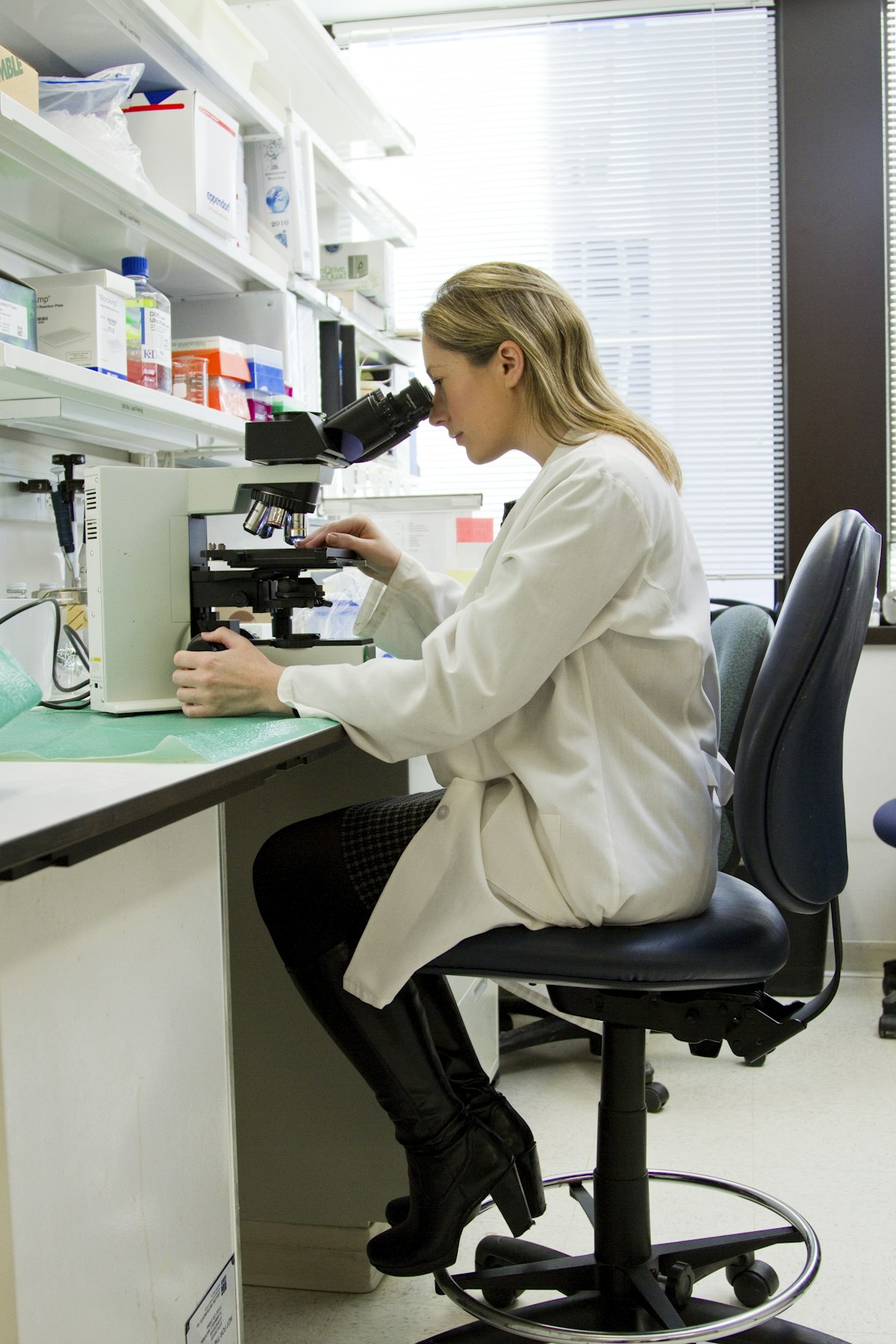
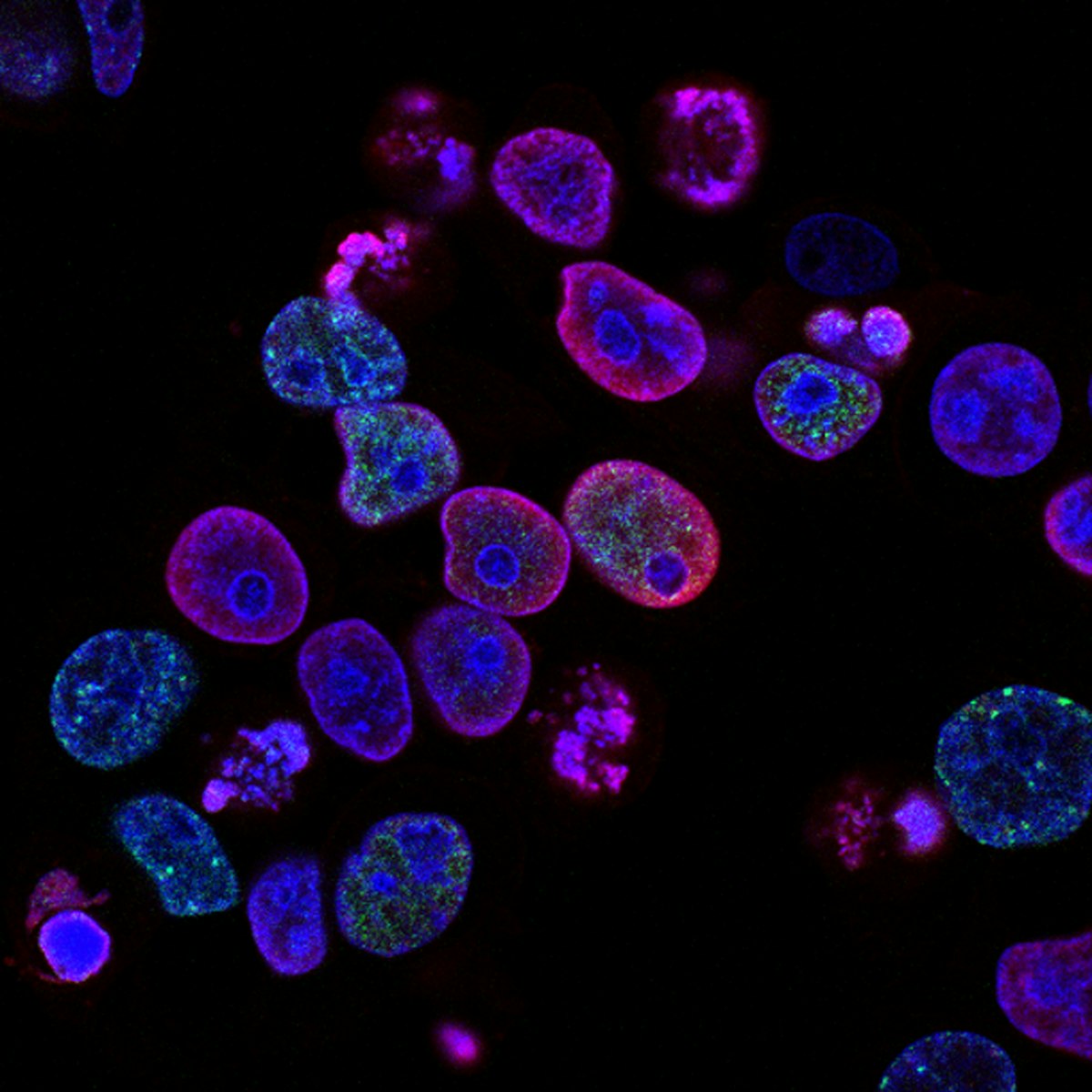
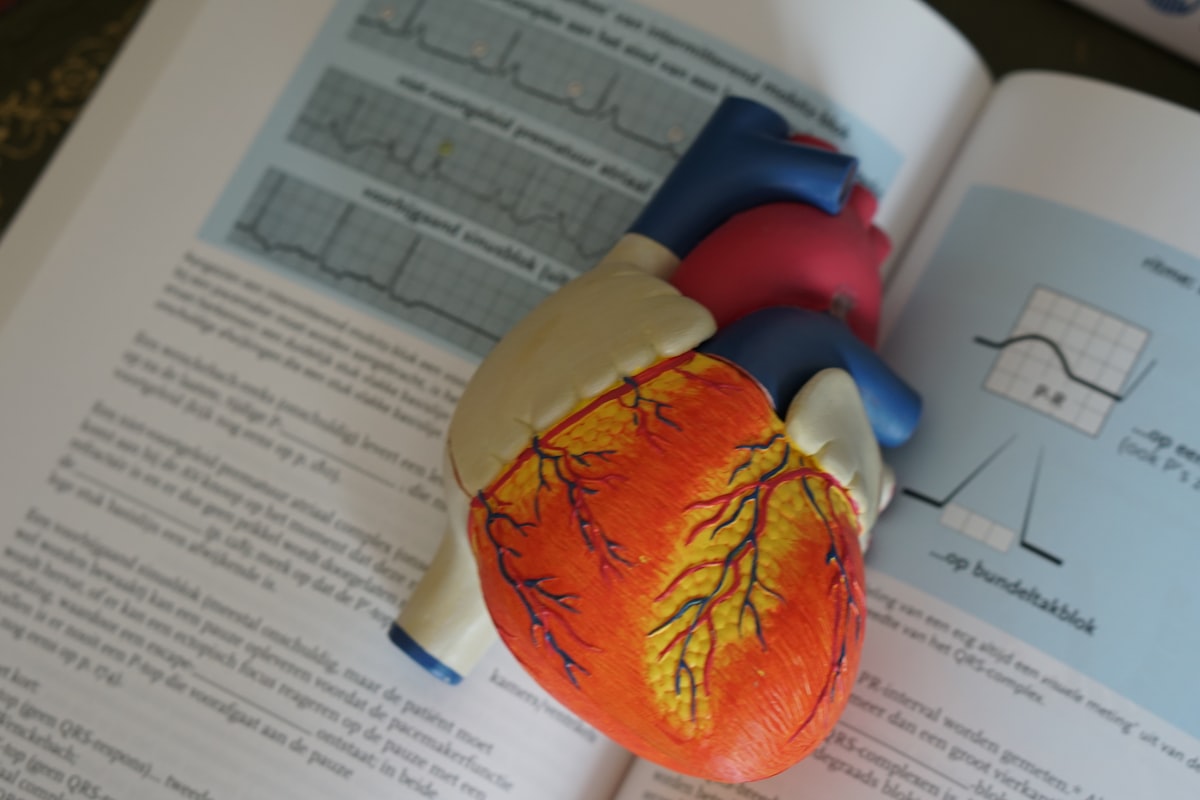
Peptide projects start with sequence and modification design, and finish with material made to a specification that the design work has already justified.
Request a Peptide Synthesis Quote
Submit your sequence and requirements below. Our team will respond with a detailed quotation, feasibility assessment, and estimated turnaround within one business day.